
Article: The secret effectiveness of natural ingredients in cosmetics

The secret effectiveness of natural ingredients in cosmetics
The rise of natural and organic cosmetics stems from a growing consumer desire to favor skincare products made with natural ingredients. These ingredients offer numerous benefits for both the skin and the environment, avoiding harsh chemicals. To meet this demand, companies are emerging that are choosing to focus on carefully selected plant-based active ingredients to formulate their products, guaranteeing effective protection and healthy skin every day.
Why choose cosmetics with natural ingredients?
The skin is a natural barrier that selects what it allows to penetrate based on the compatibility of substances with its biological structure. Natural ingredients, such as plant oils and hydrosols, are better absorbed because their composition is similar to skin lipids. In contrast, chemical substances such as parabens, silicones, and aluminum salts are blocked because they are not recognized by the skin and thus form an occlusive film that prevents its normal function. The slightly acidic pH of the epidermis and natural enzymes also play a protective role by filtering out unwanted molecules. Therefore, the skin more easily absorbs natural active ingredients because the body recognizes them, while it rejects or limits the absorption of many synthetic compounds.
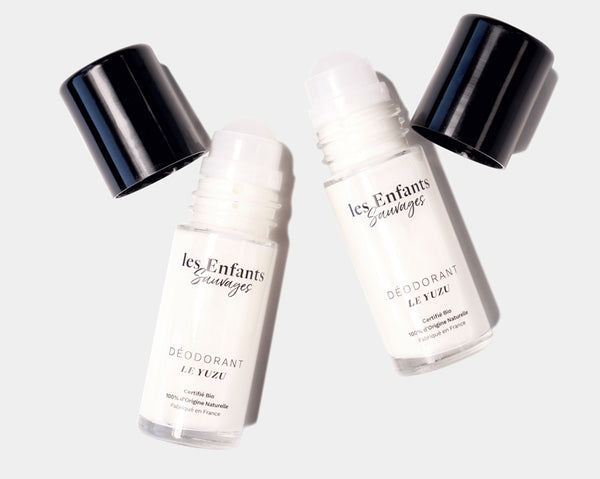
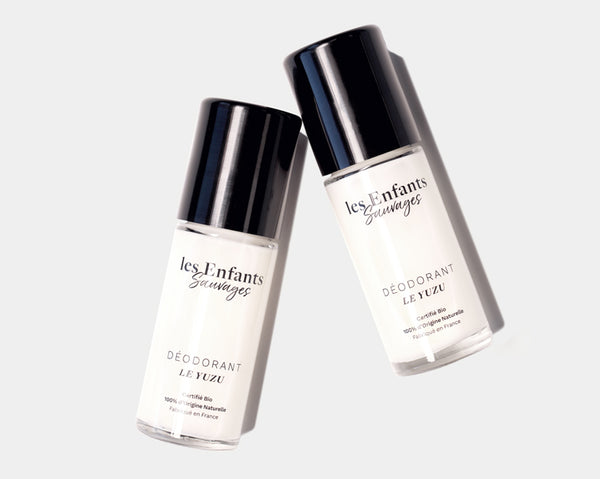
This is why natural or organic cosmetics have a much higher bioavailability than their synthetic counterparts! By prioritizing natural ingredients, we not only avoid endocrine disruptors and occlusive agents, but we also promote more optimal absorption of the active ingredients by the body. This is the case, for example, in our formulations at Les Enfants Sauvages, where all our formulas are 100% natural. We apply these principles by rigorously selecting each natural active ingredient to guarantee healthy and effective compatibility for the body.
Because, it's important to remember, the effectiveness of products stems from the quality of the raw materials. Natural skincare offers a healthy and effective alternative to conventional formulas . Furthermore, when the ingredients are high-quality, their high efficacy means you use less of them, thus ensuring a longer product lifespan, making it an environmentally friendly and economical solution in the long run.

Key ingredients in natural cosmetics
Baking soda plays a vital role in deodorant formulations. Naturally antibacterial, it effectively neutralizes odors while absorbing excess moisture. And unlike the aluminum salts found in conventional deodorants, it doesn't block perspiration but gently regulates it. Ideally, it should be combined with glycerin extract and a good-quality vegetable oil to hydrate and nourish the skin. This ensures good compatibility, even for people with sensitive skin.
Essential oils are also frequently selected for their purifying and refreshing properties . Palmarosa essential oil, which acts as a natural antibacterial by regulating sweat production, is commonly found, as is tea tree essential oil, known for its antifungal action, thus providing lasting protection against the bacteria responsible for body odor. Less common in deodorants, but proven to offer significantly greater effectiveness, fragonia essential oil effectively eliminates unpleasant odors, balances the skin's flora, and provides a pleasant feeling of freshness.
Other essential ingredients in natural cosmetics are the now well-known plant-based butters used to nourish and protect the skin. Shea butter, for example, acts as a true natural shield against external aggressors. Thanks to its healing and soothing properties, it is perfectly suited to sensitive or irritated skin, offering gentle cleansing. Mango butter, rich in fatty acids and antioxidants, deeply moisturizes the skin and prevents dryness. These ingredients, used in our cleansing products, for example, guarantee ideal nourishment for the skin.
The ecological benefits of natural cosmetics
In addition to their numerous benefits for the skin, cosmetics with natural ingredients have a positive impact on the environment. Unlike conventional products containing silicones, parabens, and microplastics, organic skincare minimizes soil and water pollution. The absence of petrochemicals helps preserve biodiversity and reduce the carbon footprint associated with cosmetic production.
Organic cosmetics also prioritize eco-friendly packaging, like that used by Les Enfants Sauvages. This approach significantly reduces plastic waste and encourages more responsible consumption. Choosing natural skincare products thus contributes to a more sustainable cosmetics industry that respects the planet and consumer health.
Sources:
- French Agency for Food, Environmental and Occupational Health & Safety (ANSES): Studies on the effects of aluminium salts and natural alternatives.
- National Center for Biotechnology Information (NCBI): Studies on the antibacterial properties of cosmetic essential oils.
- Journal of Applied Cosmetology: Research on the benefits of mango butter and shea butter in cosmetics.
- International Journal of Cosmetic Science: Analysis of natural alternatives to conventional deodorants.
- European Journal of Dermatology: Studies on the impact of natural ingredients on sensitive and reactive skin.



Leave a comment
This site is protected by hCaptcha and the hCaptcha Privacy Policy and Terms of Service apply.